








Innovation has always been part of what drives EVS forward. From experimenting with new materials to refining proven designs, the goal has always been the same: build protection that riders trust every time they swing a leg over the bike.
That mindset is why EVS continues to push the limits with modern soft shell protection with products like the F1 Pro. But, at the same time, EVS stays true to traditional, proven hard shell protection designs that riders have relied on for decades, like the hugely popular Option Knee Guard.
Both hard shell and soft shell protection have earned their place in gear bags everywhere. Each approach offers unique advantages, and understanding how they differ can help you choose the right protection for your riding style. Let’s break down the key differences between hard shell and soft shell protection, along with the pros and cons of each.
The Big Picture
At its core, the difference between hard shell and soft shell protection comes down to how each handles impact, comfort, and mobility.
Hard shell protection uses rigid outer materials designed to deflect impacts and resist abrasion.
Soft shell protection uses flexible materials that absorb impacts while staying comfortable and mobile during normal riding.
Both approaches are proven when it comes to protection. The best choice for you depends on your preferences along with how and where you ride.
Hard Shell Protection
Hard shell protection has been trusted by riders for decades. Rigid outer plates are designed to spread impact forces and protect against abrasion from rocks, roost, and ground contact.
Products like the Web Eclipse Knee Brace and F1 Roost Guard represent this traditional hard shell approach, offering structured coverage built for tough riding conditions.
Key Advantages of Hard Shell Protection
Strong Impact Deflection – Rigid shells help spread force across the plate, reducing pressure at a single impact point.
Excellent Abrasion Resistance – Hard shells hold up well when sliding across dirt, rocks, and hard-packed surfaces.
Durability in Harsh Conditions – Hard shell gear is built to last, especially in aggressive riding environments.
Structured Feel and Coverage – Many riders appreciate the solid, confidence-inspiring feel of rigid protection.
Considerations with Hard Shell Protection
- Can feel bulkier than soft shell designs
- May feel slightly heavier depending on coverage
- Some designs may offer less airflow
Soft Shell Protection
Soft shell protection represents a newer evolution in protective gear design. These products use flexible materials that are pliable in hand and while riding but react on impact to help absorb force.
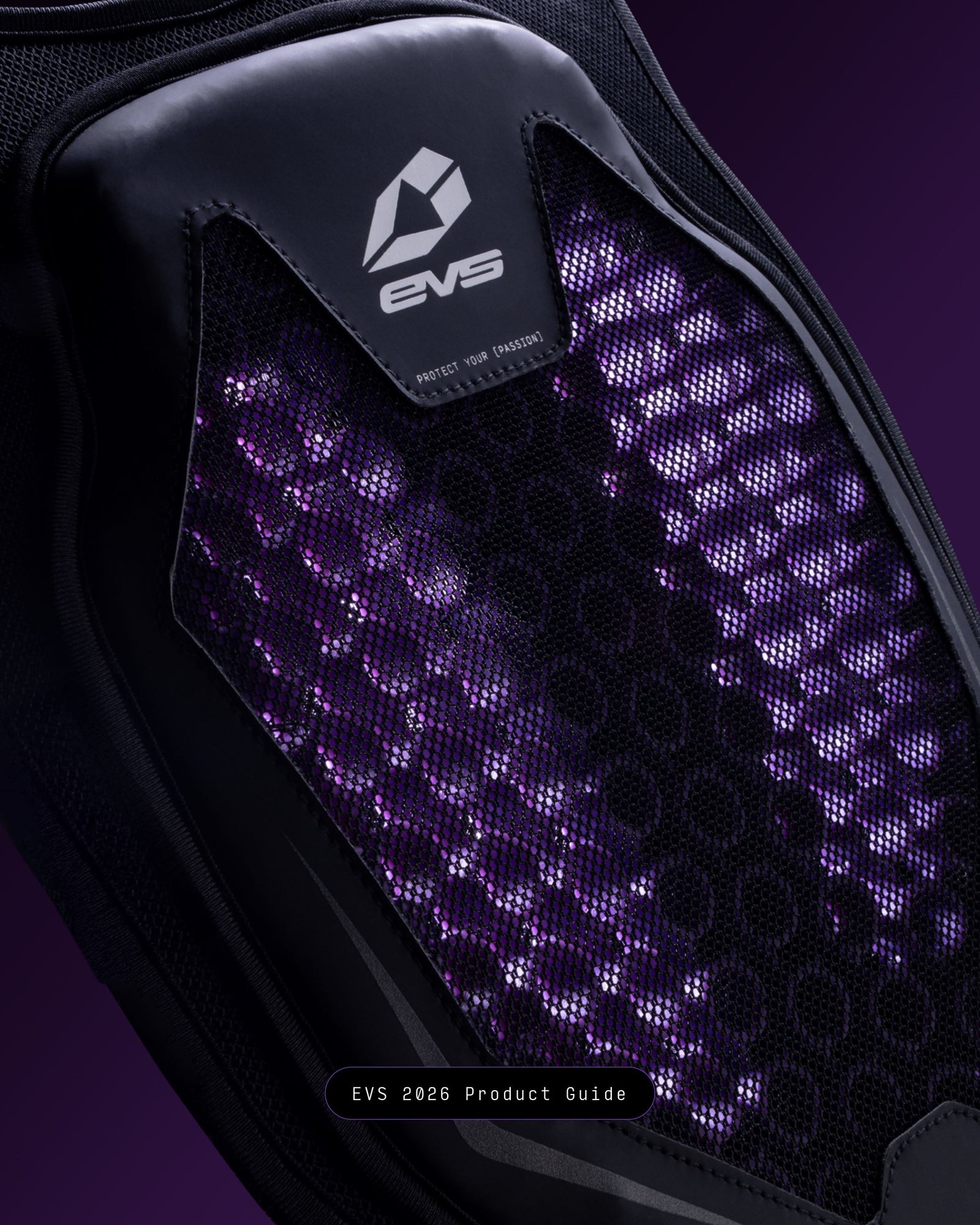
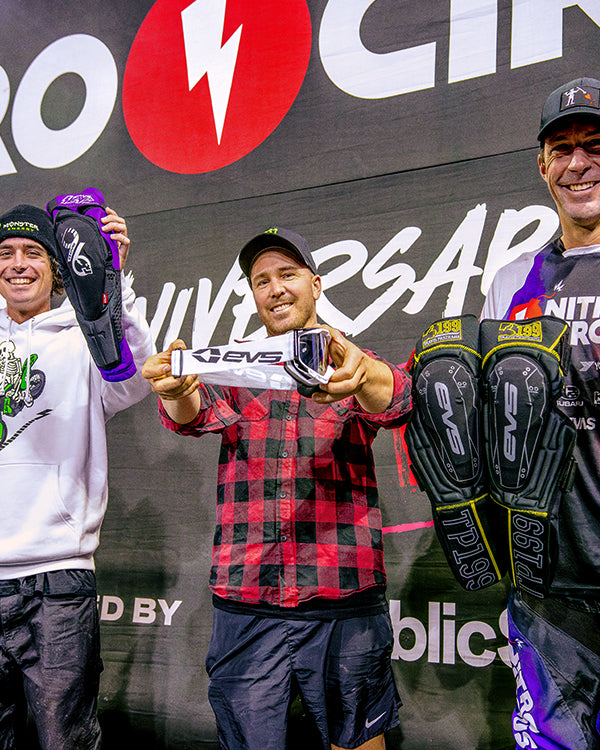
Products like the F1 Pro, TP199 Elbow Guards, and TP199 Knee Guards highlight the benefits of modern soft shell technology, offering lightweight protection that moves naturally with the rider.
Key Advantages of Soft Shell Protection
Comfort for Long Rides – Soft shell materials conform to the body, making them comfortable for extended sessions.
Greater Mobility – Flexible construction allows riders to move naturally without restriction.
Lightweight Feel – Soft shell protection often feels less bulky and easier to wear all day.
Improved Airflow – Breathable materials help reduce heat buildup during active riding.
Modern Impact Technology – Advanced foams and materials provide protection while maintaining flexibility during normal use.
Considerations with Soft Shell Protection
- May not resist abrasion as well as rigid shells
- Less structured feel compared to hard shell designs
- Durability can vary depending on riding environment
Choosing the Right Protection for Your Ride
There is no universal best option between hard shell and soft shell protection. Both are designed to reduce injury risk and improve rider confidence. Hard shell protection remains a trusted solution for riders who want structure, durability, and abrasion resistance. Soft shell protection represents the next generation of comfort-focused design, offering flexibility without sacrificing protection.
The right choice typically comes down to a few key factors like riding style, comfort preferences, the kind of terrain and conditions you’re riding, and how long you’re riding.
EVS continues to develop both technologies because riders need options. Whether you prefer the structured confidence of hard shell designs or the flexible comfort of soft shell protection, the best choice is the one that matches how you ride and keeps you protected every time you ride.


Leave a comment (all fields required)