








Whether you're just getting into moto and need the basic protective gear or considering upgrading your current setup, choosing the right gear often comes with questions. From fitment and comfort to understanding which products are best for different riding styles, riders want to know they're making the right choice.
To help, we've compiled answers to some of the most common questions our customer service team receives across five major categories of protective gear. Let's dive in.
Knee Braces
1. Do I need knee braces or just knee pads?
Knee braces and knee pads serve different purposes. Knee pads primarily provide impact protection, while knee braces are designed to help reduce the risk of certain knee injuries by providing structural support and stability in addition to providing impact protection. Riders with previous knee injuries, racers, and those looking for maximum protection often choose braces, but much of the decision comes down to personal preference.
2. How should a knee brace fit?
A knee brace should feel secure without restricting circulation or causing discomfort during the typical range of motion when worn. It should stay in place throughout a ride without sliding down or creating pressure points.
3. Are knee braces uncomfortable?
Modern knee braces like the Web Eclipse are significantly lighter and more comfortable than older designs. Most riders adapt quickly and appreciate the added confidence and support they provide.
4. Can I wear knee braces under any riding pants?
Most motocross and off-road riding pants are designed to accommodate knee braces. Riders may need to adjust sizing depending on the brace and pant combination.
5. Who benefits most from knee braces?
Motocross racers, aggressive trail riders, off-road riders, and anyone recovering from or concerned about knee injuries often benefit most from knee braces.
Knee Pads
1. Are knee pads enough protection for motocross?
For many riders, yes. Knee pads provide excellent impact protection and are a popular choice among recreational riders, trail riders, and those prioritizing mobility and comfort.
2. What's the difference between hard shell and soft shell knee pads?
Hard shell designs like the Option focus on impact deflection and superior abrasion resistance. Soft shell designs like the Slayco 96 prioritize flexibility and comfort while using modern materials that absorb impacts.
3. Why do some knee pads include sleeves?
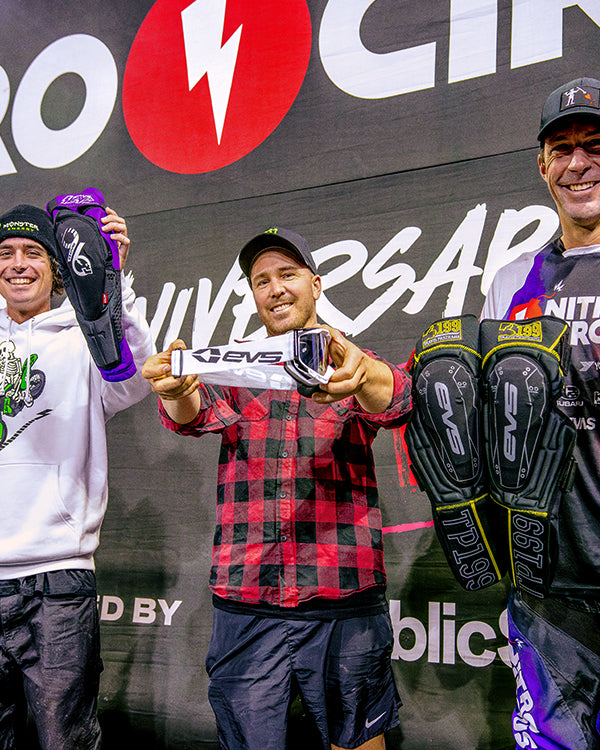
Sleeve-style designs like what’s seen on the TP199 Knee Guard and Slayco 96 help keep the pad securely positioned while adding comfort and, in some cases, a small amount of stability.
4. Can I wear knee pads all day comfortably?
Many modern knee pads are specifically designed for all-day comfort with breathable materials, lightweight construction, and ergonomic shaping.
5. Which knee pad is best for me?
The answer depends on how you ride. Riders looking for maximum coverage may prefer more structured hardshell designs, while riders prioritizing mobility often choose lightweight or hybrid options.
Elbow Pads
1. Are elbow pads necessary for motocross?
Technically no, and not every rider wears them. But elbow pads can help reduce injuries from falls, roost, rocks, and other trail obstacles.
2. Should elbow pads fit tightly?
They should fit snugly enough to stay in place during a crash without restricting movement or blood flow.
3. What's the advantage of soft shell elbow protection?
Soft shell elbow guards provide excellent comfort and flexibility and tend to be a bit more breathable compared to hardshell options while still offering certified impact protection.
4. Can elbow pads be worn under a jersey?
Yes. Most modern elbow guards like the TP199 Elbow Pads are specifically designed to fit comfortably beneath a jersey.
5. Which riders benefit most from elbow protection?
The short answer is that every rider will benefit from wearing elbow pads. Crashes happen, and trail riders, enduro riders, motocross racers, and younger riders all benefit from the added protection elbow guards provide.
Chest Protection
1. Why should I wear a chest protector?
A chest protector helps reduce the risk of injuries from impacts, roost, debris, handlebars, and crashes. It's one of the most important pieces of upper-body protection available…so much so that the AMA recently mandated chest protection at the professional level of U.S. Supercross, Motocross and Supercross racing, in addition to the existing requirement of chest protectors being a must for youth motocross racing.
2. What model of chest protector do you recommend for motocross racing?
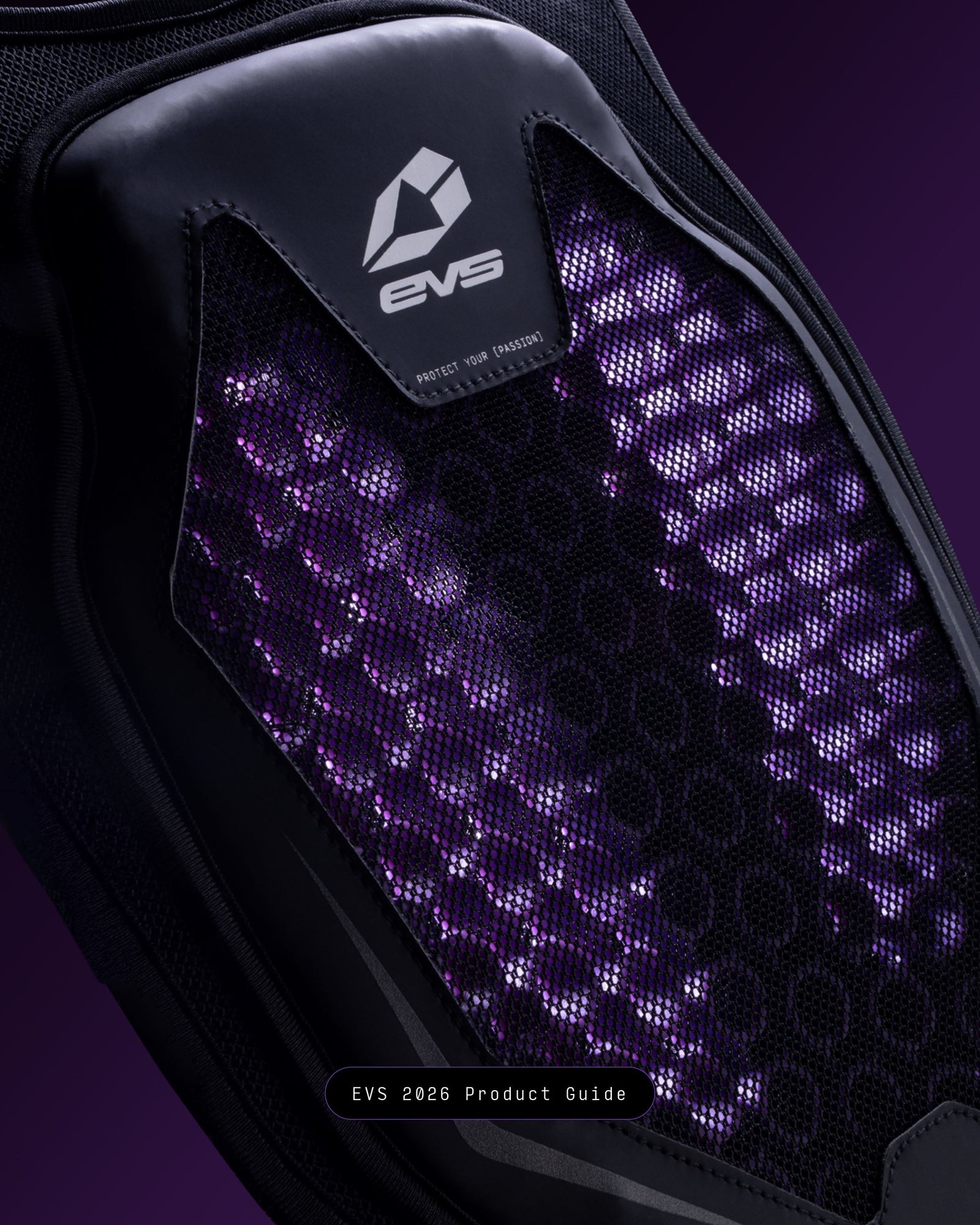
This again can come down to personal preference, but the F1 Pro Chest Protector with a ventilated, hardshell front chest plate and soft back with Rheon technology is a favorite amongst riders at the amateur and professional level.
3. How should a chest protector fit?
A chest protector should sit securely against the body without shifting excessively during riding or bouncing up and down going through braking bumps or a bumpy section of trail. The chest protector should ‘move with you’. Proper adjustment helps maximize both comfort and protection.
4. Can I wear a chest protector with a neck brace?
Many modern chest protectors are designed to be compatible with popular neck brace systems. The full line of chest protectors from EVS Sports are neck brace compatible, but we recommend that you always check product compatibility before purchasing.
5. Which chest protector is best for trail riding?
Many trail riders prefer lightweight, low-profile protection that balances comfort and coverage during longer rides.
Ballistic Jerseys
1. What is a ballistic jersey?
A ballistic jersey combines a riding jersey with integrated protective armor for the chest, back, shoulders, and elbows. Rather than have a chest protector, elbow pads, shoulder pads and back protector all be separate pieces a rider puts on individually, we made them into one shirt put on at the same time.
2. Who should wear a ballistic jersey?
Ballistic jerseys are particularly popular among off-road, enduro, dual-sport, and adventure riders seeking comprehensive upper-body protection.
3. Can a ballistic jersey replace a chest protector?
In many cases, yes. Ballistic jerseys offer integrated protection across multiple impact zones while maintaining mobility.
4. Are ballistic jerseys hot to ride in?
Modern ballistic jerseys use breathable materials and ventilation zones to improve airflow, though they generally provide more coverage than a traditional jersey.
5. Can I wear a jersey over a ballistic jersey?
Absolutely. Both the Ballistic Pro and G7 ballistic jerseys are low-profile enough that many riders wear a standard riding jersey over it for that seamless motocross look.
Protective gear isn't one-size-fits-all. Every rider has different preferences, riding styles, and protection needs. Understanding the purpose and benefits of each product category helps ensure you're choosing gear that matches how and where you ride.
If you have questions that weren't covered in this guide, email the EVS customer service at cs@evs-sports.com. We’ll get your question answered so you can get what you need, gear up and go ride.


Charles Nice
July 08, 2026
Chest protector fitment. I am not going to lie, I am a Vet class rider. I am also fat, not all muscle……LOL! I was worried about fitment for a bigger guy? I like the looks of the F1 protector. How big does it adjust out to, fit 210 lb. guy? I love EVS knee braces, and with the new AMA rules of front and back protection in MX wanted to stay with EVS.
Thanks,
Chuck