







If you’ve been riding long enough, you’ve probably heard every reason in the book for not wearing a chest protector.
- “They’re too hot.”
- “They’re bulky.”
- “They’re uncomfortable.”
- “I don’t race, so I don’t really need one.”
Years ago, some of those complaints weren’t entirely unfair. Older chest protectors often relied on large plastic panels with little to no ventilation and bulky designs that often restricted movement when riding. Thankfully, chest protectors have come a long way.
Modern chest protectors are lighter, more breathable, and designed to move with the rider instead of against them. More importantly, they protect some of the most vulnerable parts of your body during crashes that can often happen when you least expect them. Let’s take a look at some of the most common reasons riders skip chest protection and why many of those concerns don’t hold up anymore.
Are Chest Protectors Too Hot?
This is one of the biggest complaints from motocross and trail riders everywhere. Nobody wants to feel like they’re wearing an extra layer of heavy plastic or during a 90-degree day when doing motos or working hard on a slow, technical trail ride.
Modern day chest protectors prioritize airflow by incorporating large ventilation channels, lightweight, breathable chassis materials, and flexible impact technologies that allow more air to circulate around your body. Instead of trapping heat in, they’re designed to let the heat generated from the rider leave freely and ventilate out through those channels, all to help keep the rider cooler and more comfortable during their ride.
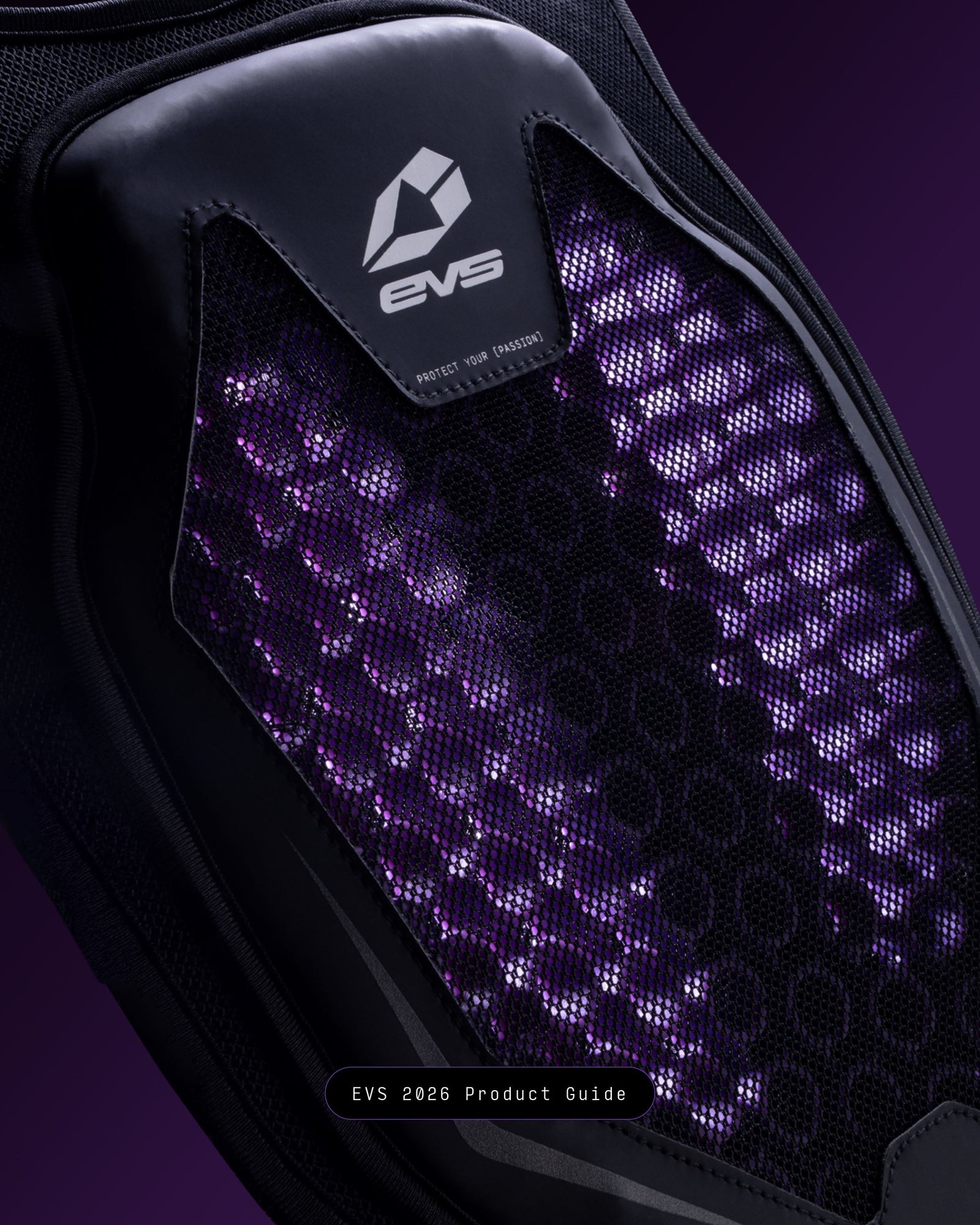
The Evolution Chest Protector is a great example of how far chest protection has come. The RE ZRO impact technology used on the front and back protective panels replaces bulky, rigid construction with a lightweight, flexible design that meets CE impact standards while maximizing airflow.
The end result is a chest protector protects you while keeping you cooler and more comfortable when you’re riding.

Do Chest Protectors Restrict Movement?
Another perception that has followed chest protectors for years is that wearing one makes it much more difficult to move around on the bike. Years ago, there was some truth to that as many older protectors prioritized coverage above everything else, which often sacrificed mobility.
Today’s designs are built with rider movement in mind. Low-profile construction, articulated designs, and flexible materials allow modern chest protectors to move with the user naturally as they shift their weight and move around on the bike. Rather than feeling like a rigid shell strapped to your body, they conform to the wearer.
Many chest protectors from EVS, including the Evolution Pro, F1 Pro, F1, Revo 5, and Revo 4, are all built around providing protection without making the wearer feel like their movement has been compromised.
Can You Wear a Chest Protector Under Your Jersey?
For many riders, appearance matters just as much as the protection and comfort aspects. Some simply don’t like the look or feel of wearing a chest protector over their jersey, which for years severely limited their options of chest protectors.
Today, modern chest protectors feature slimmer lower-profile designs that can comfortably fit beneath a jersey while still providing meaningful impact protection. Many EVS chest protector models, including the Evolution Pro, F1 Pro, F1, Revo 5, and Revo 4, are low-profile and can be worn under or over the jersey.
For those wanting an even more integrated solution, the EVS Ballistic Pro could be the ticket. It combines protective Reactive Memory Foam panels with a compression-style jersey which creates a system that keeps protection close to the body while maintaining the clean look that many riders love.

“I’m Just Trail Riding”
This is one of the easiest ways riders convince themselves to not wear a chest protector. Unfortunately, no matter what kind of riding, crashes happen. Whether it’s motocross, singletrack, dual sport, or play riding with buddies, your chest, ribs, shoulders and back remain vulnerable to impacts.
The type of riding doesn’t change the importance of protecting them.
Does a Chest Protector Only Block Roost?
Many riders still associate chest protectors with nothing more than a roost guard. While they certainly do that well, modern chest protection is designed to do much more than protect the rider from roost.
Depending on the model, a quality chest protector can help reduce the risk of injuries involving:
- The chest and sternum
- The ribs
- The back
- The shoulders
- Handlebar impacts
- Rocks and roost
- Tree branches and trail obstacles
No protective equipment can eliminate every injury, but reducing the force your upper body absorbs during an impact can make a huge difference.
Every rider has their own reasons for wearing or not wearing certain gear. But when it comes to chest protection, many of the reasons riders have used to avoid wearing a chest protector simply aren’t as true as they once were. Modern chest protectors are lighter, cooler and more comfortable than ever before. They’re designed to move naturally with your body and can be used for a wide variety of riding styles. And, most importantly, they’re there for the crash that you didn’t see coming.


Leave a comment (all fields required)